No Idea What to Order? A Real Person's Guide to Walking Into a Bar Like You Own the Place
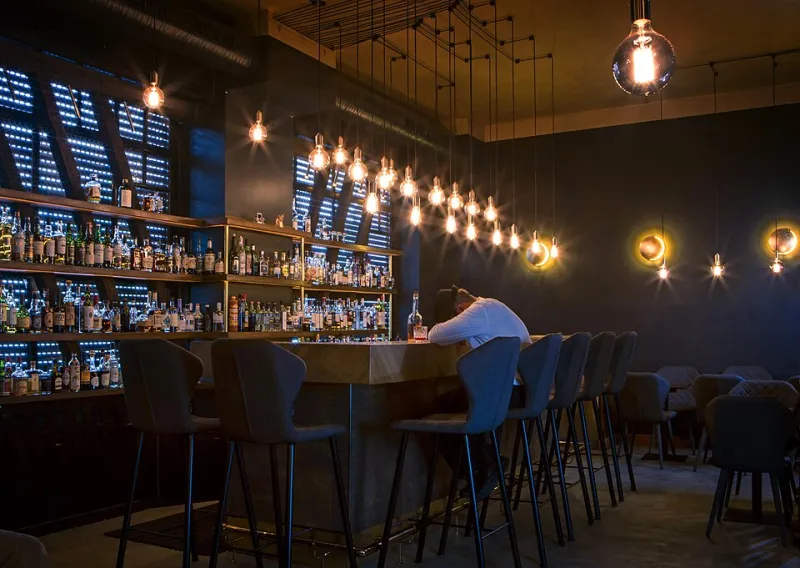
Photo: Unknown authorUnknown author or not provided, Public domain, via Wikimedia Commons
Let's be honest: walking into a bar for the first time—or even the tenth—can feel weirdly intimidating. The menu is full of words you half-recognize. The bartender looks busy. Everyone else seems to know exactly what they want. And you're standing there trying to remember if "neat" means with ice or without.
Here's the thing: every single person at that bar was a beginner once. Including the bartender. The bar is not a test, and nobody is grading you. But a little bit of know-how goes a long way toward making the whole experience more fun and a lot less stressful. So let's get into it.
Start With What You Actually Like
The number one mistake new bar-goers make is trying to order something impressive instead of something they'll enjoy. The bar is not the place to perform sophistication. It's the place to have a good time.
If you like sweet drinks, say so. If you don't like bitter, mention it. A good bartender—and we'd like to think we've got some of the best at Pigeon Cove Tavern—will use that information to guide you toward something you'll actually want to finish. You don't need to walk in with a specific order memorized. Walking in with a general direction is more than enough.
Not sure where to start? Here are a few easy anchors:
- You like sweet and fruity: Try a vodka cranberry, a margarita, or a rum punch.
- You want something refreshing and light: A gin and tonic or a shandy is a solid move.
- You're curious about whiskey but not ready to go straight: An old fashioned or a whiskey sour eases you in.
- You don't want alcohol: Ask for a mocktail or a soda with lime. No explanation required.
Decoding the Cocktail Menu
Cocktail menus can look like a foreign language if you're not already fluent. Here's a quick translation of the terms you're most likely to encounter:
Neat: The spirit is poured straight from the bottle into the glass. No ice, no mixer. This is for sipping slowly.
On the rocks: Served over ice. Simple as that.
Up (or straight up): Chilled by shaking or stirring with ice, then strained into a glass without ice. Your martini comes this way.
Dry: In a martini context, this means very little vermouth. In a general sense, it can also mean not sweet.
Muddled: Fruit or herbs are gently crushed at the bottom of the glass to release their flavor. You'll see this in mojitos and old fashioneds.
Well vs. Top shelf: Well spirits are the house pours—perfectly fine for most mixed drinks. Top shelf means you're upgrading to a premium bottle. It'll cost more, but in a cocktail with lots of mixers, you might not notice the difference.
When in doubt, just ask. "What's in this?" and "Is this sweet or more bitter?" are completely normal questions that bartenders field dozens of times a night.
How to Get the Bartender's Attention (Without Being That Person)
This is an art form, and it's simpler than it looks. Make eye contact and be patient. Don't wave your arms, don't snap your fingers, and please don't shout "Hey!" across the bar. Bartenders are tracking multiple orders at once and they will get to you.
When they do make eye contact, a small nod or raised hand is all it takes. If you're not ready to order yet, say so—"Just a second, thanks"—and they'll circle back. Nobody expects you to have your order locked in the moment they look your way.
If the bar is genuinely slammed and you're waiting a while, that's just how it goes sometimes. It's not personal. Good things come to those who don't make a scene.
The Tipping Question (Yes, You Should)
Tipping at a bar is not optional if you're a decent human being. Bartenders make a significant portion of their income from tips, and the standard in the US is $1–$2 per drink for simple orders, or 18–20% of your tab for more complex cocktails or a longer tab.
If someone goes out of their way to make a recommendation, remembers your drink on the second round, or just treats you like a person—tip accordingly. It's also worth noting that tipping well early in the evening tends to result in faster, friendlier service for the rest of the night. Not a guarantee, but it's a pattern that holds pretty reliably.
For cash transactions, leave the tip on the bar when you're done. For card transactions, add it to the receipt before you sign.
Reading the Room: Different Bars, Different Vibes
Not every bar has the same energy, and adjusting to the atmosphere goes a long way. A quiet neighborhood tavern like Pigeon Cove is a different experience from a loud sports bar or a craft cocktail lounge. Pay attention to the vibe when you walk in.
At a casual spot, it's totally fine to chat with the bartender or the person next to you. At a high-volume bar on a Friday night, keep your order brief and efficient—the bartender doesn't have time for a five-minute conversation about your flavor preferences. Save the deeper dives for slower nights.
Also: sit at the bar if you want faster service and more interaction. Grab a table if you want more space and a slower pace. Both are valid. Know what kind of night you're having.
You Belong Here
The most important thing to know about walking into a bar is this: you're welcome. Full stop. You don't need to know the difference between rye and bourbon on day one. You don't need to have a signature drink. You don't need to impress anyone.
The bar has always been a place for regular people doing regular things—unwinding after work, catching up with a friend, watching the game, or just sitting quietly with a cold drink and their own thoughts. There's no entry exam and there's no dress code for belonging.
At Pigeon Cove Tavern, we mean that literally. Whether it's your first time at a bar or your five hundredth, you're going to get the same warm welcome and the same honest pour. Come as you are, ask whatever you need to ask, and let us take care of the rest.
First round of confidence? On us.