Gone But Not Forgotten: How Communities Fight to Bring Their Favorite Taverns Back
The Night the Lights Go Out
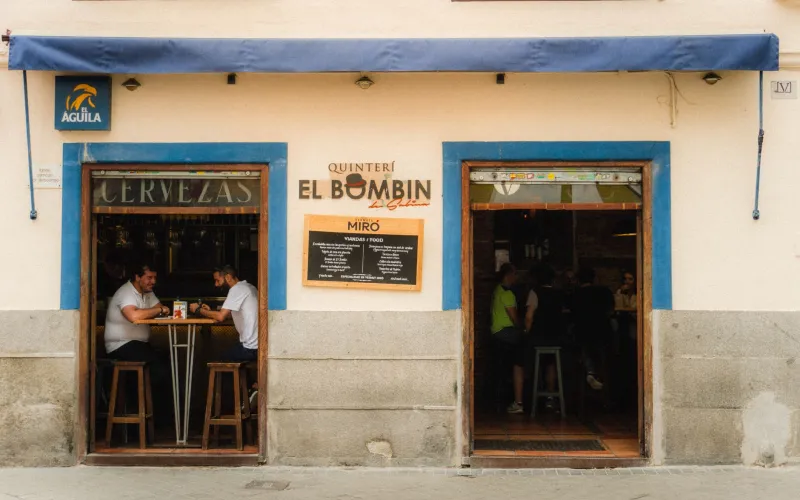
There's a particular kind of grief that hits when you drive past your favorite bar and the windows are dark. The neon sign is gone. The parking lot is empty on a Friday night. Maybe there's a paper notice taped to the door, or maybe the place just quietly stopped answering its phone one week. Either way, you know. Something that mattered is gone.
It's not like losing a chain restaurant. Nobody holds a candlelight vigil for a closed fast-food joint. But a neighborhood tavern? That's different. That's where you watched your team win a championship, where you met your best friend's spouse for the first time, where you sat alone on a rough Tuesday and the bartender knew exactly what to pour without you having to say a word. Those places carry weight.
And sometimes — not always, but sometimes — communities decide they're not ready to let go.
Why Taverns Close in the First Place
Before we talk about comebacks, it helps to understand the fall. Running a bar is genuinely hard. Margins are thin, overhead is stubborn, and the hospitality industry has been battered by everything from economic downturns to pandemic shutdowns to shifting neighborhood demographics. A lot of closures aren't dramatic. They're slow bleeds — a lease that gets too expensive, an owner who finally burns out after two decades of 14-hour days, a kitchen that needs repairs nobody can afford.
Other times it's sudden. A health issue. A family emergency. A landlord who decides the building would be more profitable as something else. The community often doesn't even see it coming until the sign goes dark.
What's interesting, though, is what happens next. Because in enough cases, the answer isn't acceptance. It's action.
The Anatomy of a Tavern Revival
Revival stories tend to fall into a few categories, and each one says something a little different about the relationship between a bar and its people.
The Loyal Customer Who Becomes the Owner
This is the most romantic version of the story. A regular — someone who's been sitting at the same stool for fifteen years — hears the place is closing and decides they can't let that happen. They've never run a bar before. They probably have no business running a bar. But they buy it anyway, keep the name, keep the staff, and do their best to honor what made it special in the first place.
These transitions are messy, and they don't always work. But when they do, there's something deeply satisfying about a place being saved by someone who loved it as a customer first. They're not trying to reimagine the concept or attract a hipper crowd. They're trying to preserve something real.
The Original Owner Who Comes Back
Sometimes the closure was never supposed to be permanent. A health scare, a family obligation, a financial crunch that looked unsurvivable — and then, a few years later, circumstances shift. The owner gets healthy. The kids grow up. A small business loan comes through. And suddenly there's a hand-painted sign in the window that says We're Coming Back and the whole neighborhood loses its mind in the best possible way.
The return of an original owner carries a specific kind of electricity. The regulars who stuck around feel vindicated. The ones who drifted away come back. There's a shared understanding that this place belongs to the people who built it, and that it was always going to find its way home.
The Community-Funded Resurrection
Crowdfunding changed the math on a lot of things, and tavern revivals are no exception. When word gets out that a beloved local spot is in trouble — or that someone is trying to bring one back — the response can be genuinely stunning. People who moved away years ago chip in. Regulars who can barely afford it donate what they can. Local businesses sponsor something. The whole thing starts to feel less like a financial transaction and more like a neighborhood deciding what it values.
These campaigns don't always hit their goals. But the ones that do tend to create something with even deeper roots than the original — a bar that the community didn't just patronize, but actively saved.
What Gets Preserved and What Changes
Here's the tricky part of any revival: you can't actually bring back the past. The regulars who defined the place have scattered. The staff has moved on. The original owner's particular way of running things — the specials they invented, the way they remembered everyone's name, the unwritten rules of the room — all of that lives in people's memories now, not on a menu.
The best revival stories are honest about this tension. They celebrate what was while making room for what the place needs to become. Maybe the old jukebox comes back, but the kitchen gets a real upgrade. Maybe the name stays the same, but the crowd is a mix of longtime regulars and people who just moved to the neighborhood. The soul of the place gets preserved even as the details evolve.
That balance is hard to strike. Some revivals lean too hard into nostalgia and end up feeling like a museum. Others swing too far toward reinvention and lose the thing that made the original worth saving. The ones that get it right tend to have someone at the helm who genuinely understands what the bar meant to people — not just what it served.
What a Tavern Actually Holds
When you peel back the business side of all this, what you're really looking at is a conversation about belonging. Taverns — good ones, the ones people fight to bring back — are places where people feel like they exist in relationship to each other. You're not just a customer. You're part of something that has a history and a rhythm and a set of inside jokes that go back longer than anyone can remember.
That's not something you can manufacture from scratch. It builds over years, one night at a time. Which is exactly why losing it hurts so much, and why people are willing to do surprising things to get it back.
Here at Pigeon Cove Tavern, we think about this a lot. The regulars who make a place feel like home aren't just customers — they're collaborators. They shape the atmosphere, carry the stories, and create the kind of room that a first-timer walks into and immediately thinks, I want to come back here. That dynamic is worth protecting. It's worth fighting for.
Raise One for the Comebacks
Not every closed tavern gets a second act. A lot of them become apartment buildings or parking lots or nothing at all, their histories fading into the kind of story that starts with there used to be this great bar...
But some of them come back. And when they do, there's a particular kind of toast worth making — not just to the place itself, but to the people who refused to let it disappear. The regulars who kept the memory alive. The new owner who took on the debt and the risk and the impossible task of living up to something beloved. The community that showed up, again and again, because some places are just too important to lose.
That's the real comeback story. It's never just about a building.