Lucky Seats and Sacred Orders: The Unwritten Rituals That Rule Your Local Bar
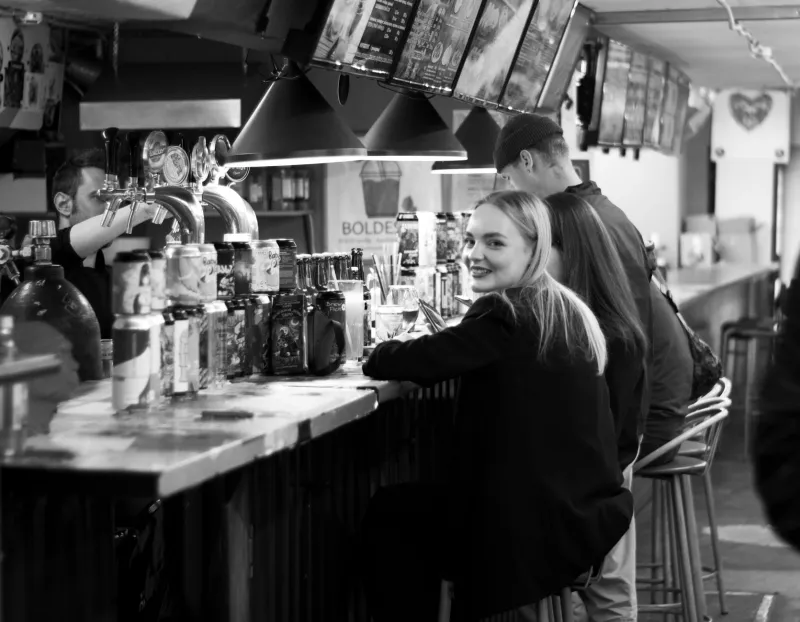
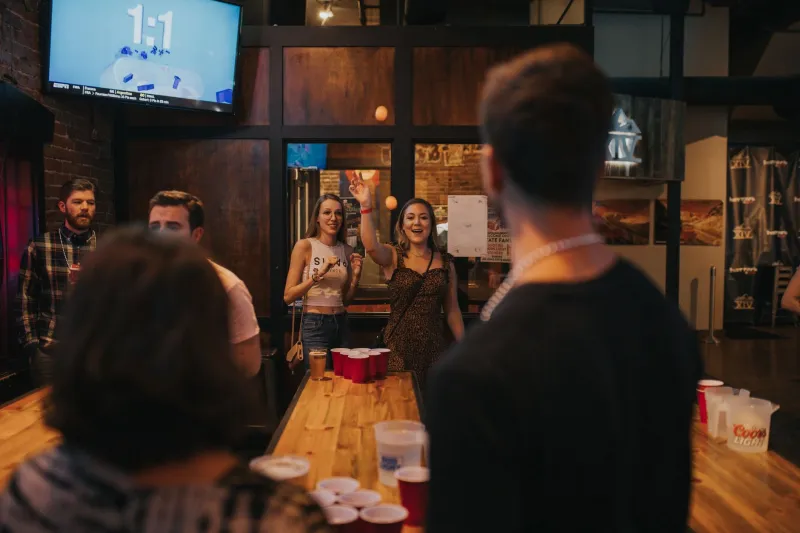
Walk into any neighborhood tavern on a busy Friday night and you'll notice something interesting happening beneath the noise. Sure, there's laughter and the clink of glasses and somebody losing badly at darts. But look closer. The guy at the far end of the bar arrived twenty minutes early just to claim that specific stool. The woman in the corner booth tapped the table twice before she sat down. And the bartender already started pouring a particular draft before a regular even opened his mouth to order.
None of this is accidental. All of it is ritual.
Taverns — the good ones, anyway — become living ecosystems over time. And just like any ecosystem, they develop their own customs, their own folklore, and yes, their own superstitions. Some of them are funny. Some of them are weirdly moving. All of them are real.
The Sacred Stool
If you've spent any time at a neighborhood bar, you already know about the seat. Every regular has one. It's not posted on a sign. There's no reservation system. But if you sit in it, you will feel the weight of a dozen pairs of eyes land on you like a slow, collective judgment.
This phenomenon is more common than you'd think. Psychologists call it "territorial behavior in social spaces," but regulars just call it their spot. The reasons vary. Some people claim a stool near a particular outlet of light because it helps them read. Others want their back to the wall — an instinct that apparently goes back further than any of us would like to admit. Some spots just feel right in a way that defies explanation.
At Pigeon Cove Tavern, we've watched friendships form and dissolve over seating arrangements. We've seen strangers become regulars the moment they accidentally claimed the right stool and got a warm nod from the crowd instead of the look. There's something almost ceremonial about it — like the bar itself is deciding whether you belong.
The Lucky Order
Superstition around food and drink is older than recorded history. Athletes eat the same pre-game meal. Gamblers blow on the dice. And tavern regulars? They order the same thing, in the same way, every single time — because the one time they didn't, something went sideways.
Maybe it's a specific beer followed by a specific appetizer. Maybe it's always starting with a club soda before the first round, a personal rule that feels like armor against a bad night. Maybe it's ordering the burger medium-well even though you usually prefer medium, because medium-well was what you ordered the night your team won the championship and you're not about to mess with that energy.
These orders become identity. The bartender knows them. The kitchen knows them. And when a new server accidentally takes the order wrong and brings something different, the discomfort is real and immediate — not because the food is bad, but because something in the ritual has been broken.
Why We Do This (And Why It Matters)
Here's the thing about superstitions: they almost never have anything to do with actual magic. What they're really about is control, comfort, and community.
When life feels unpredictable — and let's be honest, it usually does — having a place where things go a certain way, where your arrival is anticipated and your habits are known, is genuinely grounding. Anthropologists have studied this in religious contexts for decades. Ritual creates meaning. It marks time. It tells you that you are in a specific place, among specific people, and that this moment is distinct from all the others.
A neighborhood tavern, at its best, provides exactly that. The rituals that develop organically inside these spaces aren't silly. They're evidence that the place has become important enough to warrant ceremony.
The Superstitions Nobody Admits To
Beyond the seating and the orders, there are subtler beliefs floating around bar culture that people will only cop to after a second drink.
Don't cheers with an empty glass — bad luck, bad year, depending on who you ask. Never leave your drink unattended on a new moon, according to one regular who couldn't fully explain why but stood by it completely. Always tip on the first round, even if it's just a beer, because the energy you put out in the first five minutes determines the whole night. Don't move to a new table once you've started — you'll break whatever was building there.
None of these rules exist in any handbook. They spread mouth to ear, the way all good folklore does. And the people who follow them aren't gullible — they're participants in something larger than themselves. They're tending to the invisible culture of a place they care about.
The Tavern as a Living Tradition
What's remarkable about bar rituals is how quickly they take root. A new regular can develop their own habits within a few months. A tradition can start from a single funny night and calcify into something that feels ancient by the following year. Taverns compress time in a way that few other spaces manage.
That's part of what makes them so valuable to the communities they anchor. They're not just places to drink. They're places where shared history accumulates, where inside jokes become mythology, where the quirks of a handful of people become the character of an entire room.
At Pigeon Cove Tavern, we think about this a lot. The regulars who've been coming here for years have built something here — not just relationships, but a whole invisible architecture of habit and meaning. New faces add to it. The rituals evolve. The superstitions multiply.
And honestly? We wouldn't change a thing.
Come Add Your Own
If you don't have a lucky stool yet, come find one. If you haven't developed your go-to order — the one you'll defend irrationally for years — we'd love to help you discover it. The rituals that feel the most personal almost always start with a single good night in a good place.
We'll be here. Same spot as always.