Table for One, No Apology: How to Eat Alone at a Tavern and Actually Enjoy It
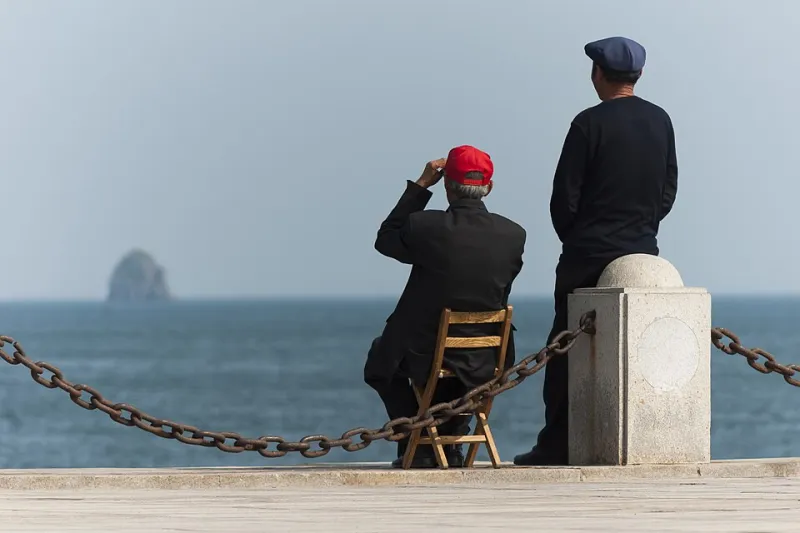
Photo: CEphoto, Uwe Aranas, CC BY-SA 3.0, via Wikimedia Commons
A solo booth is not a consolation prize. It is a table with a view of the room and no one else's schedule attached. Some of the best meals at Pigeon Cove Tavern happen when one person orders a bowl of chowder, a glass of something cold, and settles in without apologizing for taking up space.
Choose the Seat That Fits Your Mood
The first decision is not what to eat. It is where to sit. If you want company, take a seat at the bar. Bartenders are good at reading whether you want conversation or quiet, and a bar seat gives you the option to join the room without being pulled into it. If you want a book, a notebook, or simply a little privacy, ask for a booth. A corner booth is ideal. It gives you a view without putting you on display.
Avoid the middle of the dining room if you feel self-conscious. Avoid the host stand if you want to disappear. The best solo seats are the ones with a wall behind them and a little angle on the room.
The Off-Peak Advantage
Timing matters. The sweet spot for solo dining is usually between 4:30 and 6 p.m., or after 8:30 p.m. The room is calmer, the server has time to talk, and you are less likely to feel rushed by a waiting list. It is also when happy hour and bar-menu deals tend to be in play, which makes a solo meal feel less like a splurge and more like a good decision.
Call ahead if you are unsure. A quick question about wait times and bar seating can save you a lot of standing around. And if the tavern is packed, do not force it. A solo meal is supposed to be pleasant. Pick a quieter night or a later hour.
Order Like You Mean It
The temptation when eating alone is either to under-order and leave hungry or to over-order because everything sounds good. Aim for one satisfying main and one small thing. A bowl of soup and a side. A burger and a salad. A plate of oysters and a snack. At Pigeon Cove Tavern, the bar menu is a good friend to solo diners because it lets you build a meal without committing to a full three courses.
Ask what the kitchen does well that night. Ask what is moving fast. Ask for a recommendation on a drink that will not overwhelm the food. A good server will steer you toward something that fits one person, not a family-style spread.
For Staff: Welcome Without Hovering
The best solo diners are not looking for a performance. They are looking for a welcome. A simple hello, a glass of water, and a clear sense of the menu go a long way. Do not comment on the fact that someone is alone. Do not ask if they are waiting for someone. Do not check in every four minutes just because the table is small.
Give them the same pace you would give any other guest. Let them order at their speed. If they are at the bar, include them when it feels natural, but do not make them the evening's project. The goal is to make a table for one feel like a real table, not a gap in the reservation book.
Best Times and Corners
Weekday evenings are easier than Friday and Saturday. Late lunches are quietly excellent. The end of the bar near a wall is a good choice if you want company nearby without a crowd at your elbow. The corner booth by the window is the classic solo seat for a reason: it gives you the room without asking you to perform in it.
If you are reading, bring a physical book or a notebook. A phone is fine, but a book signals something useful to the room: you are here on purpose.
The Quiet Company of a Bar
Eating alone in a tavern is not about loneliness. It is about choosing your own company for an hour. You can listen to the room, watch the game, trade a few words with a bartender, or say nothing at all. You can order dessert because you feel like it. You can leave when you are done.
That is the deal a good tavern offers a solo guest: no pressure, no performance, and a seat that is yours for as long as the meal lasts. Take it.