Steal These Recipes: The Secret Lives of Your Favorite Tavern Dishes
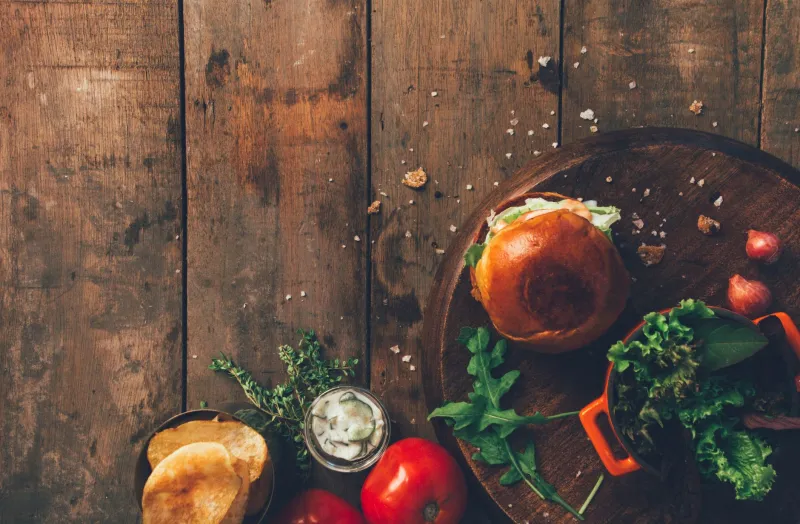
You've had the burger. You've had the wings. You've sat at a sticky barstool under dim lighting, cold drink in hand, and eaten something so straightforward and so deeply satisfying that you've thought — at least once — why can't I make this at home?
The truth is, you probably can. Tavern food isn't complicated. It was never meant to be. But there's a craft to it that doesn't get nearly enough credit, and the people behind those dishes — the line cooks, the bartenders who double as recipe testers, the owners who've been tweaking the same chili recipe for fifteen years — have stories worth hearing.
We pulled back the curtain on what makes tavern cooking tick, and we're bringing those lessons straight to your kitchen.
Why Tavern Food Hits Different
Before we get into technique, it helps to understand the philosophy. Tavern food isn't trying to impress you. That's the whole point.
Unlike the carefully plated small portions you'd find at a trendier spot, tavern cooking is built around generosity. Portions are meant to be shared. Flavors are bold enough to hold their own against a cold pint. And the ingredients — while never flashy — are treated with real respect.
"We're not hiding anything behind fancy sauces," says one longtime kitchen hand at a neighborhood tavern in the Midwest. "If the beef isn't good, you're going to know it. If the onions aren't properly caramelized, the whole burger falls apart. There's nowhere to hide in this kind of cooking."
That accountability is what makes tavern dishes so satisfying when they're done right — and so disappointing when they're not. It's also what makes them genuinely achievable at home. You don't need a culinary degree. You need patience, quality ingredients, and a willingness to let things cook low and slow.
The Burger: Respect the Smash
If there's one dish that defines American tavern culture, it's the burger. And if there's one technique that separates a forgettable patty from a genuinely great one, it's the smash.
The smash burger method — pressing a loose ball of ground beef onto a screaming hot flat-top — creates maximum surface contact, which means maximum Maillard reaction, which means that deeply savory, slightly crispy crust that you just can't get from a gently formed thick patty.
Home kitchen tips:
- Use 80/20 ground chuck. The fat is non-negotiable.
- Get your cast iron pan or griddle as hot as you can before the beef hits it.
- Press firmly with a spatula immediately after placing the ball — don't wait.
- Season with salt and pepper after smashing, not before (salting too early draws out moisture).
- Toast your bun in the residual beef fat. Yes, really.
The toppings are where you can get personal, but tavern tradition leans toward simplicity: American cheese melted directly on the patty, tangy pickles, raw white onion, yellow mustard, and maybe a schmear of mayo. Resist the urge to pile on too much. The beef is the star.
The Wings: Low and Slow Wins the Race
Bar wings have a reputation for being easy, but truly great wings — the kind with crispy skin and juicy, flavorful meat all the way through — take more effort than most people realize.
The secret that a lot of tavern kitchens won't advertise? A two-step cooking process. Wings are often par-cooked first — either baked low and slow or even briefly poached — before hitting the fryer or a very hot oven for the final crisp-up. This renders out excess fat and ensures the meat is fully cooked before you're chasing that exterior crunch.
Home kitchen tips:
- Dry brine your wings with salt and baking powder (not soda) for at least an hour, ideally overnight in the fridge uncovered. The baking powder raises the pH and helps the skin blister and crisp.
- Bake at 250°F for 30 minutes first, then crank to 425°F for another 40-45 minutes.
- Toss in sauce immediately after cooking while the skin is still hot.
- For classic buffalo sauce: melt real butter into Frank's RedHot at roughly a 1:1 ratio. That's it. That's the recipe.
The Bar Chili: It's About Time
Good tavern chili is never rushed. It's the dish that's been sitting on the back burner for hours, deepening and concentrating, picking up complexity that a 30-minute weeknight version simply can't match.
Most great bar chili recipes share a few key traits: they use dried chiles (not just chili powder) for real depth, they don't include beans if they're going Texas-style, and they've been adjusted incrementally over years of service based on customer feedback. That last part is something you can actually replicate at home — make a big batch, taste it the next day after it's had time to rest, and adjust from there.
Home kitchen tips:
- Toast dried ancho and guajillo chiles in a dry pan before rehydrating and blending them into your base. This step alone transforms the flavor.
- Brown your meat in batches so it sears properly instead of steaming.
- Add a small square of dark chocolate and a splash of coffee near the end of cooking. Both deepen the savory notes without making the chili taste like dessert.
- Let it sit overnight before serving if you can stand the wait.
The Unspoken Ingredient: Atmosphere
Here's the honest part of this whole conversation: some of what makes tavern food taste so good is the setting. The company you're with. The fact that someone else is doing the dishes. The cold glass in your hand and the low hum of a room full of people who are all, in some way, unwinding together.
You can't fully bottle that. But you can get closer than you think.
Set the mood. Dim the lights a little. Put on a good playlist. Make more food than you need and invite people to come pick at it. Use real glasses. Don't eat standing over the stove — sit down, slow down, let the meal be the event.
Tavern food has always been about more than what's on the plate. It's about the ritual of gathering, the comfort of familiarity, and the particular pleasure of eating something honest and well-made alongside people you actually want to be around.
Bring that energy to your kitchen, and you're already halfway there.
Hungry for the real thing? Come find us at Pigeon Cove Tavern — where the food is unpretentious, the drinks are cold, and the company is always good.