When a Ghost Walks Back In: The Quiet Art of Welcoming a Long-Lost Regular
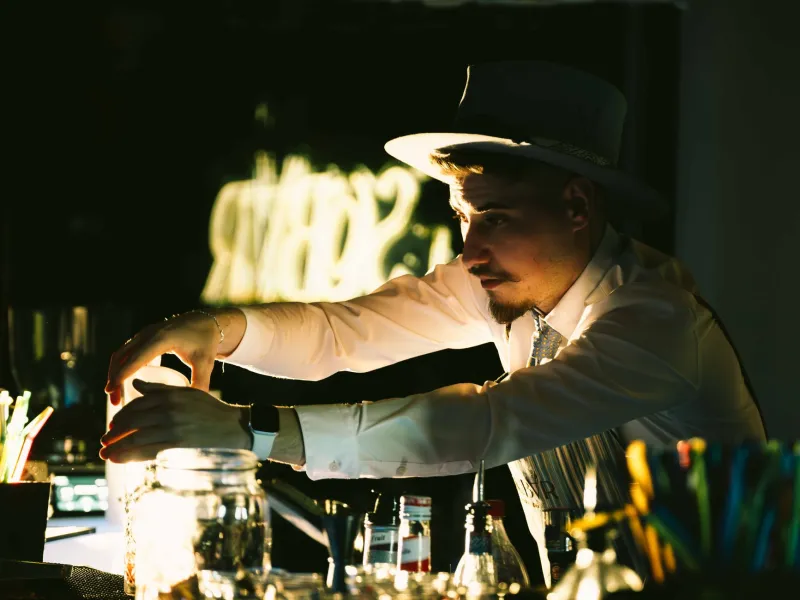
There's a particular kind of stillness that happens behind the bar when someone you haven't seen in a long time suddenly appears in the doorway. You recognize the silhouette before you even register the face. The way they pause just inside the entrance, scanning the room like they're checking whether the furniture moved — that's the tell. That's someone who used to belong here and isn't entirely sure they still do.
How you handle the next sixty seconds matters more than most people realize.
The Space Between Gone and Back
Regulars don't just disappear for no reason. Life happens in complicated, layered ways — job changes, moves across town, a rough patch they didn't want witnessed, a relationship that kept them somewhere else, or sometimes just the slow drift that happens when routines shift. Most of the time, it isn't personal. They didn't stop loving the place. They just got pulled in a different direction.
But when they come back, they're carrying something invisible. A little uncertainty. A quiet question that sounds something like: Does this place still have room for me?
The answer, almost always, should be yes. The trick is communicating that without making a production of it.
Don't Overdo the Fanfare
The instinct, especially if you genuinely missed someone, is to make a big deal of their return. Shout their name across the bar, announce to the room that so-and-so is back, maybe even get a little dramatic about how long it's been. Resist that impulse.
For a lot of people, a loud public welcome feels less like a warm embrace and more like a spotlight they didn't ask for. If they've been going through something — and odds are decent that they have — drawing a crowd around their return puts pressure on a moment that should feel easy.
The better move is the quiet acknowledgment. Eye contact. A nod. Maybe a small smile that says I see you, and I'm glad you're here without requiring anything from them in return. Let them settle in on their own terms.
Remember the Right Things
A good bartender's memory is one of the most underrated professional tools in the hospitality world. But it's not just about remembering what someone drinks — it's about knowing what to surface and what to leave buried.
If someone used to order a specific beer that you still carry, quietly setting it in front of them without being asked is a small act of magic. It says: You mattered enough to stick in my memory. That lands differently than any verbal welcome could.
What you don't do is immediately bring up whatever it was that last defined them in your memory, especially if that last memory was a hard one. If the last time you saw them they were going through a divorce, a job loss, or some other visible rough stretch, don't open with that. Let them steer. If they want to talk about where they've been, they will. Your job in that first stretch is to make the bar feel like it always did — steady, familiar, no judgment required.
The Graceful Forget
There's an art to strategic amnesia in this business. Not dishonesty — just the practiced grace of not weaponizing your memory against someone who's trying to start fresh.
Maybe they said something they regret the last time they were in. Maybe they got a little too loud one night, or left without settling a tab, or had a falling out with another regular who no longer comes around. Unless it's a genuine unresolved issue that needs addressing, the cleanest path is often to let the slate read blank. Welcome the version of them that walked in tonight, not the complicated archive version from two years ago.
People grow. People change. A tavern that holds grudges doesn't stay a tavern for long — it turns into something colder and less worth coming back to.
Read What They Need
Some returning regulars want to talk. They've been storing up things to say, and the bar is where they've always unpacked that kind of weight. Others come back quietly, wanting to sit in a familiar space without being required to explain themselves or perform their own return.
The ability to read which one you're dealing with in real time is what separates a good bartender from a great one. Watch the body language. Are they settled into the stool, elbows on the bar, looking like they want to be found? Or are they slightly angled away, eyes on the middle distance, just soaking the room in? Both are valid. Both deserve respect.
A simple, unhurried Good to see you gives them the opening if they want it, without pushing them through a door they're not ready to open.
Why It Matters Beyond the Individual
This isn't just about one person and one bartender. Every time a returning regular is welcomed back well, it sends a signal to everyone else in the room — and to the person themselves — about what kind of place this is.
A tavern that knows how to hold space for the complicated, imperfect, wandering nature of people's lives becomes something more than a place to drink. It becomes a landmark in someone's personal geography. The kind of place they tell people about. The kind of place that gets passed down in conversation like a local secret worth keeping.
At Pigeon Cove Tavern, we've seen this play out more times than we can count. Someone disappears for a season, for a year, sometimes longer — and then they're back on a Tuesday night, sliding onto a stool like they never left. The best thing we can do is make sure the room feels exactly like they remembered it. Warm, a little loud, full of people who know how to leave each other alone in the best possible way.
The Drink That Says Everything
If there's one ritual that captures this whole idea cleanly, it's the comeback drink. Not a round bought with ceremony or a toast that requires a speech — just the quiet act of making someone their usual without being asked, setting it down in front of them, and going back to whatever else needs doing.
No pressure. No performance. Just the simple, powerful message that they never really stopped belonging here.
That's the art of it. And it never gets old.